Grief and special days: how to face birthdays, anniversaries and the first holidays without them
Days that used to be celebrations become uphill. There's no right way to live them, but there are some ideas that help many families get through them a little more gently.
6 min read
In 30 seconds
- It's normal for grief to intensify around special dates, even years later, and for the days before to weigh more than the day itself.
- A little planning eases anxiety: decide in advance what you want to do, and with whom.
- Simple rituals — their favourite dish, a letter, a candle — help give their absence a place.
- Ask for help if the pain stops you from living. In the US, call or text 988; in the UK and Ireland, Samaritans on 116 123.
In this article
Why these days hurt so much
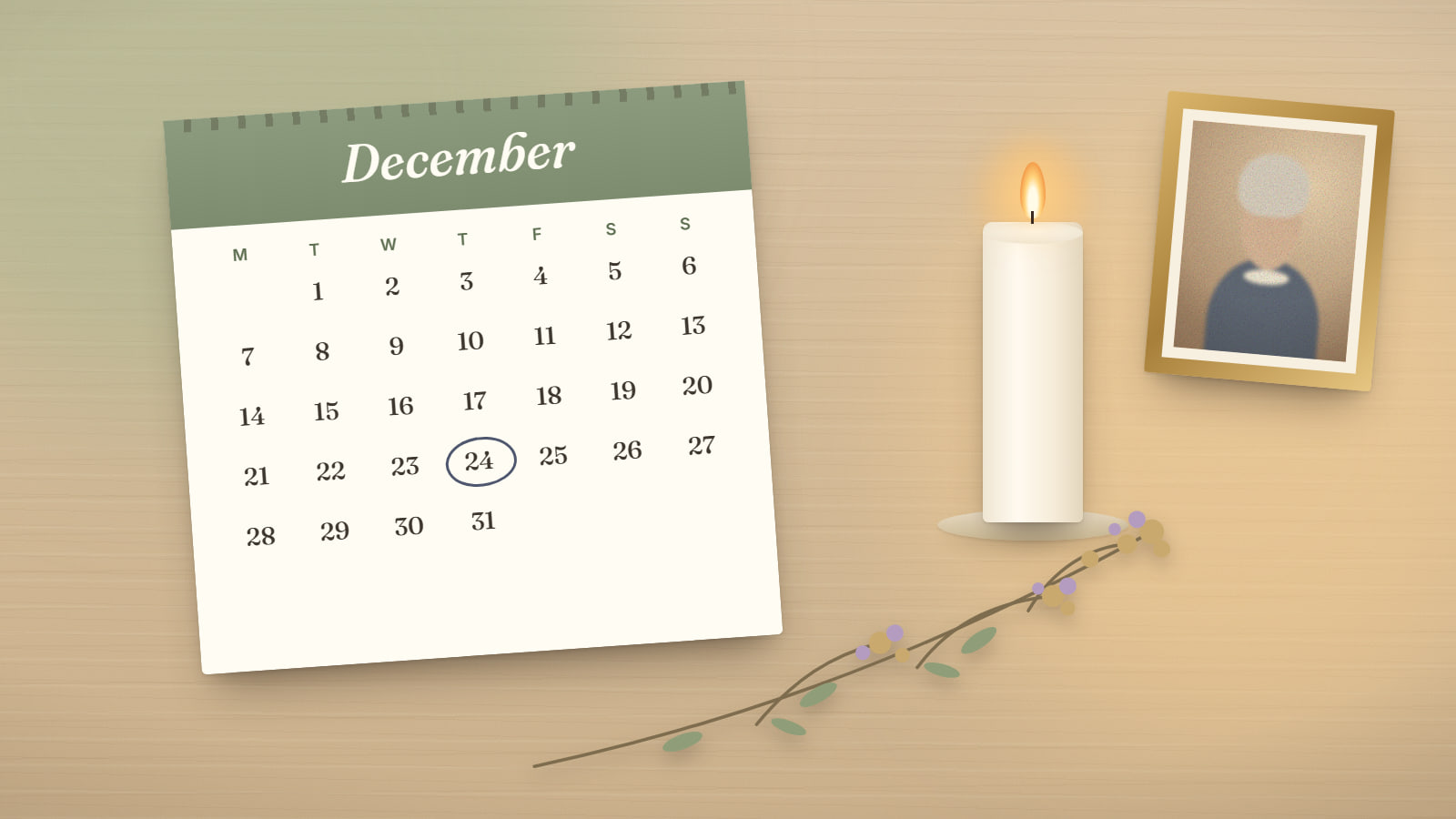
A birthday, the anniversary of their death, the first Christmas: the calendar reminds us, with cruel precision, who is missing. Grief professionals sometimes speak of anniversary reactions: a surge of sadness, tiredness or irritability around meaningful dates, sometimes even before we've noticed what day it is.
Many people also say that the run-up is worse than the day. The weeks before — the adverts, the preparations, the questions ("what are we doing this year?") — weigh more than the date itself.
Before the day: plan (a little)
Decide what you want to do — and what you don't
Keep the tradition, change it or skip it this year: all are valid. What tends to weigh is improvising.
Talk to your family
Everyone grieves in their own way. Asking "how would you like to spend that day?" prevents misunderstandings and hurt.
Have a plan B
Agree on an exit: if halfway through the meal you need to leave or go for a walk, that's fine.
Tell someone you trust
A message to a friend — "Thursday is the anniversary, I might be a bit off" — makes it easier for them to be there for you.
Six ideas to give their absence a place
Light a candle
On the table at dinner, or in a corner that was theirs. A simple gesture everyone understands.
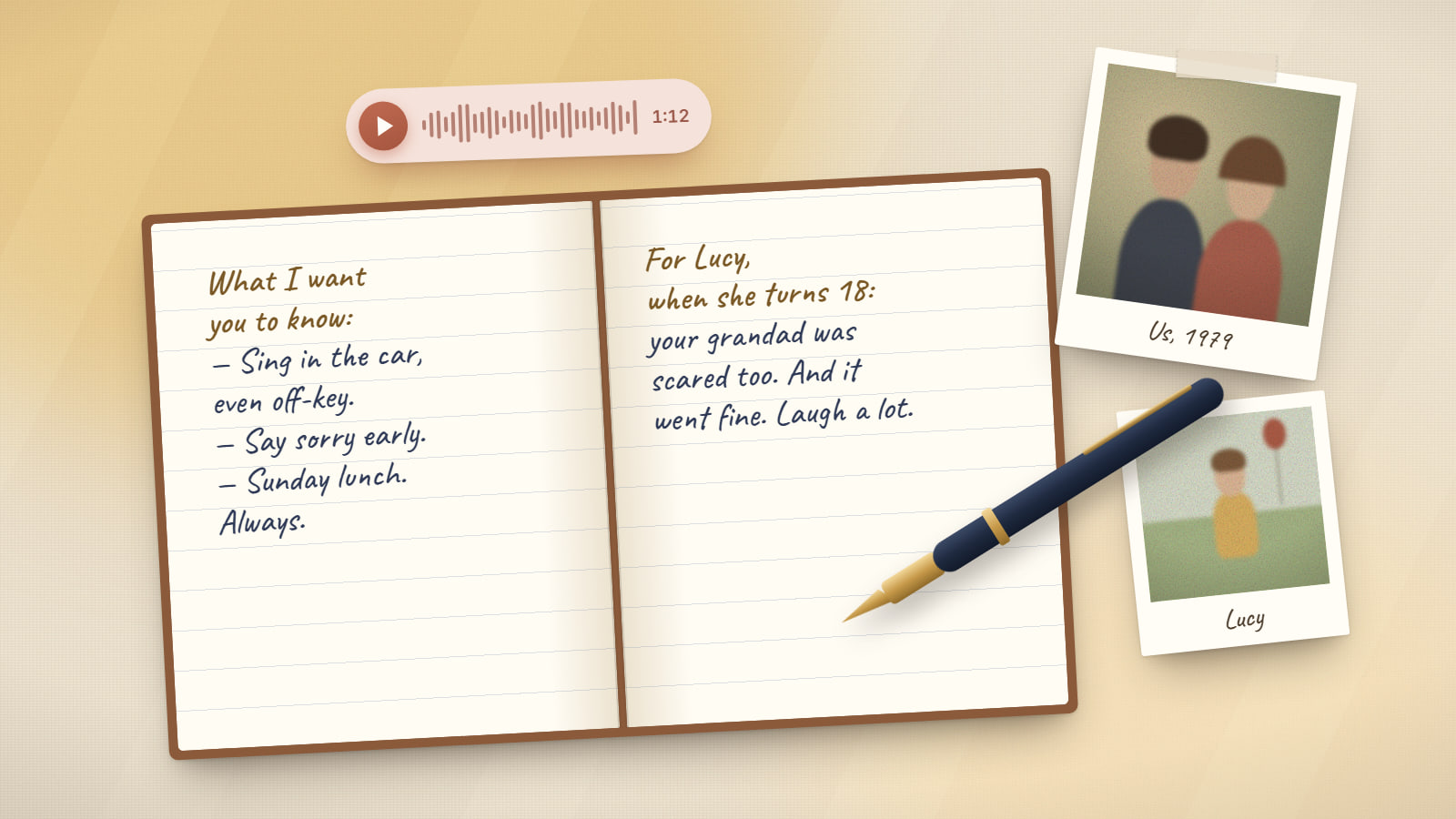
Write them a letter
Tell them how the year has been. It helps sort out what you feel, even if nobody else reads it.
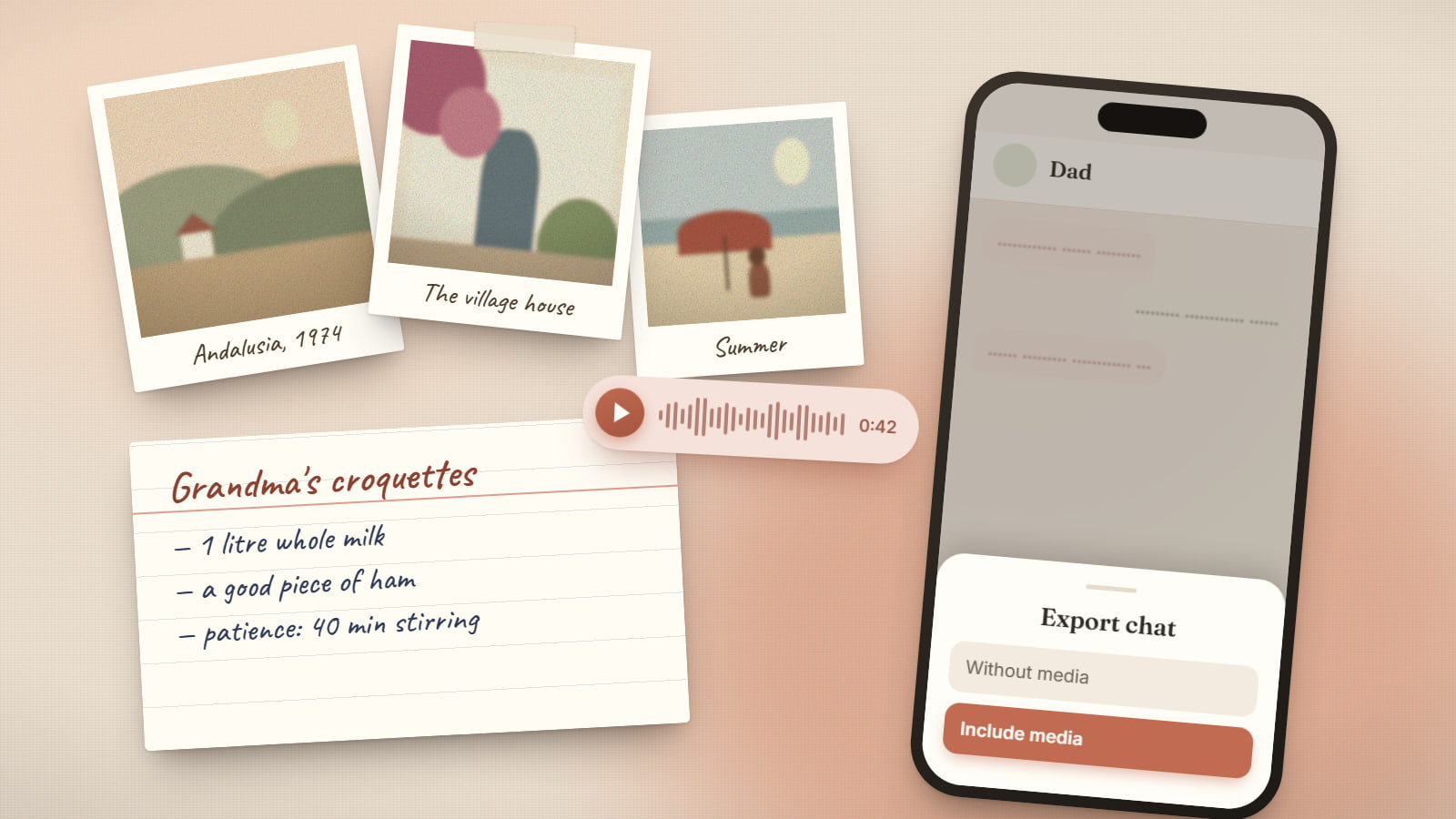
Cook their dish
Grandma's recipe, their birthday cake. Taste remembers too.
A round of memories
Everyone shares a story or a photo. It's how the youngest learn who they were.
Go back to their place
A walk somewhere they loved: their café, their beach, their hometown.
A gesture in their name
Support a cause they cared about, or do something that would have delighted them.
There is no right way to live these days. Only yours.
The first Christmas (and other family holidays)
Family holidays have something especially hard about them: the empty chair is visible. A few ideas that tend to help:
- Change something. A different table, house or time. Changing the setting can stop you comparing everything with "before".
- Say their name. A short toast or a few words at the start usually brings more relief than the awkward silence of not mentioning them.
- Be with the children without hiding your sadness. Seeing that adults are sad too — and that you can be sad and together — teaches them a lot.
- Give yourself permission to leave early. Or not to go. You don't owe anyone a perfect holiday.
When a memorial keeps you company on those days
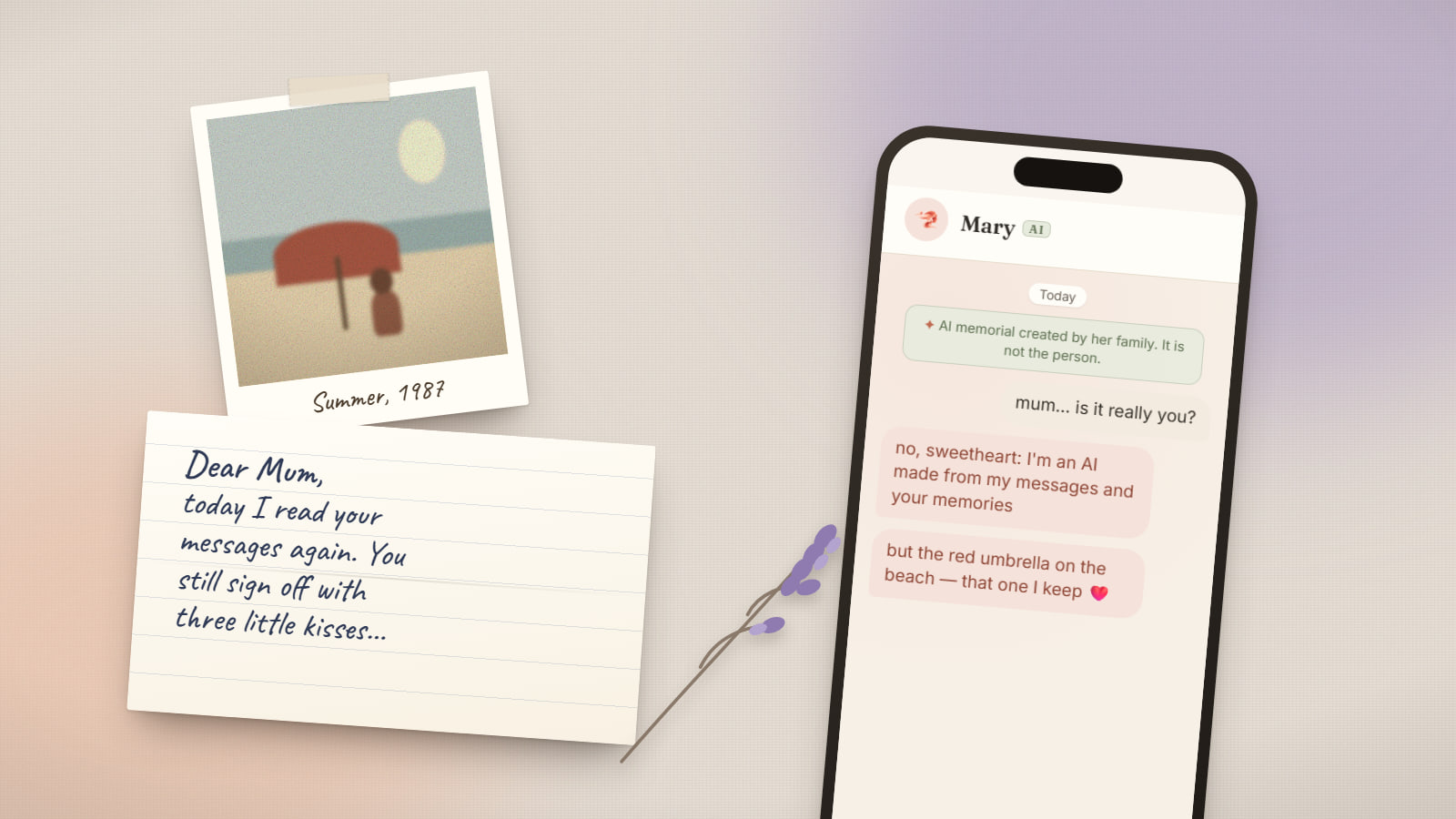
Some families want to turn these days into a moment to remember together. In LiveMemoriesAI, the memorial can keep birthdays and anniversaries in mind, but it only writes first to people who have allowed it: each relative chooses whether to receive messages on special dates and can pause them at any time.
AI memorial created by his family. It replies with his memories and his way of writing; it is not the person.
it's been a year today, dad. I don't really know what to do with this day
whatever you feel like, son. you don't have to do anything special
and give your sister a call, go on — I bet she's thinking the same thing
When to ask for help
Grief keeps no timetable, and a bad day doesn't mean something is wrong. But it's worth talking to a professional if, many months on, the pain still takes over everything: you can't work, sleep or be with people, or life feels like it has lost its meaning. Prolonged grief disorder is listed in the reference classifications — the WHO's ICD-11 and the DSM-5-TR — and it is treatable.
If you'd like to keep something for the dates still to come, you may find this useful: how to preserve their messages, photos and voice notes.
Common questions
Frequently asked questions
Is it normal to feel worse on the anniversary of a death?
Yes. Sadness very often returns around that date, even years later, and the days before are often the hardest. It doesn't mean you're going backwards in your grief.
How can I celebrate the birthday of a loved one who has died?
Some people cook their favourite meal, visit a place they loved, write them a letter or gather the family to share stories. What matters is that the plan works for you.
Do we have to celebrate Christmas in the first year of grief?
There's no obligation. You can keep the tradition, change it or take a year off. Talking it over with the family beforehand avoids tension.
What should I say to someone grieving at this time of year?
Mentioning the person who's gone usually helps more than avoiding it: "I've been thinking about your mum a lot these days." Offer something concrete — a walk, a meal — rather than "let me know if you need anything".